



How national holidays are celebrated in Mexico: Tradition, flavor and pride
Hotels & Resorts 25/08/2026
For those who are part of Mexican culture, September 15 and September 16 are fundamental dates. As the Mexican national holiday, the streets fill with vibrant colors to share patriotic pride, history, and a strong sense of community. Whether in the main square of a "pueblo mágico" (magic town), in the heart of a bustling metropolis, or relaxing in front of the Caribbean waves, here is how you can enjoy this grand celebration.
To understand how national holidays are celebrated in Mexico, one must start with "El Grito de Dolores" (The Cry of Dolores). It all dates back to the early morning of 1810, when Father Miguel Hidalgo rang the bells of the parish of Dolores to call the people to rise up in arms. That pivotal moment marked the beginning of the Mexican Independence movement.
Today, El Grito de Dolores is relived through a very special tradition. At 11:00 PM, from the Zócalo in Mexico City or from government palaces in every municipality, the President or local governors step out onto the balcony, wave the tricolor flag, and shout the traditional battle cries honoring the independence heroes. The night sky immediately lights up with fireworks, accompanied by ringing bells that set the tempo for the festivities.
During these days, the urban landscape completely transforms. Building facades are decorated with multicolored lights, flags of all sizes, and patriotic ornaments. It is common to see people strolling around wearing traditional outfits, charro hats, or green, white, and red accessories.
And if there is one thing that brings energy to the festivities, it is the mariachis. Violins, trumpets, and guitars echo through every corner, playing timeless classics that get even the quietest person to sing along.
Traditional street fairs, known as verbenas, are organized in public squares and central plazas across every city. These large open-air festivals feature food stalls offering local snacks ("antojitos"), carnival rides, live music, and handcrafted goods. The atmosphere is family-friendly, joyful, and welcoming—a lively gathering of laughter and community where locals and travelers share the same enthusiasm.
Many Mexican citizens choose to celebrate the national holidays at home.
Doors are opened to aunts, uncles, cousins, neighbors, and friends for unforgettable feasts. After dinner, the party continues with music, dancing, and traditional games like Lotería, extending the festivities well into the early hours of the morning.
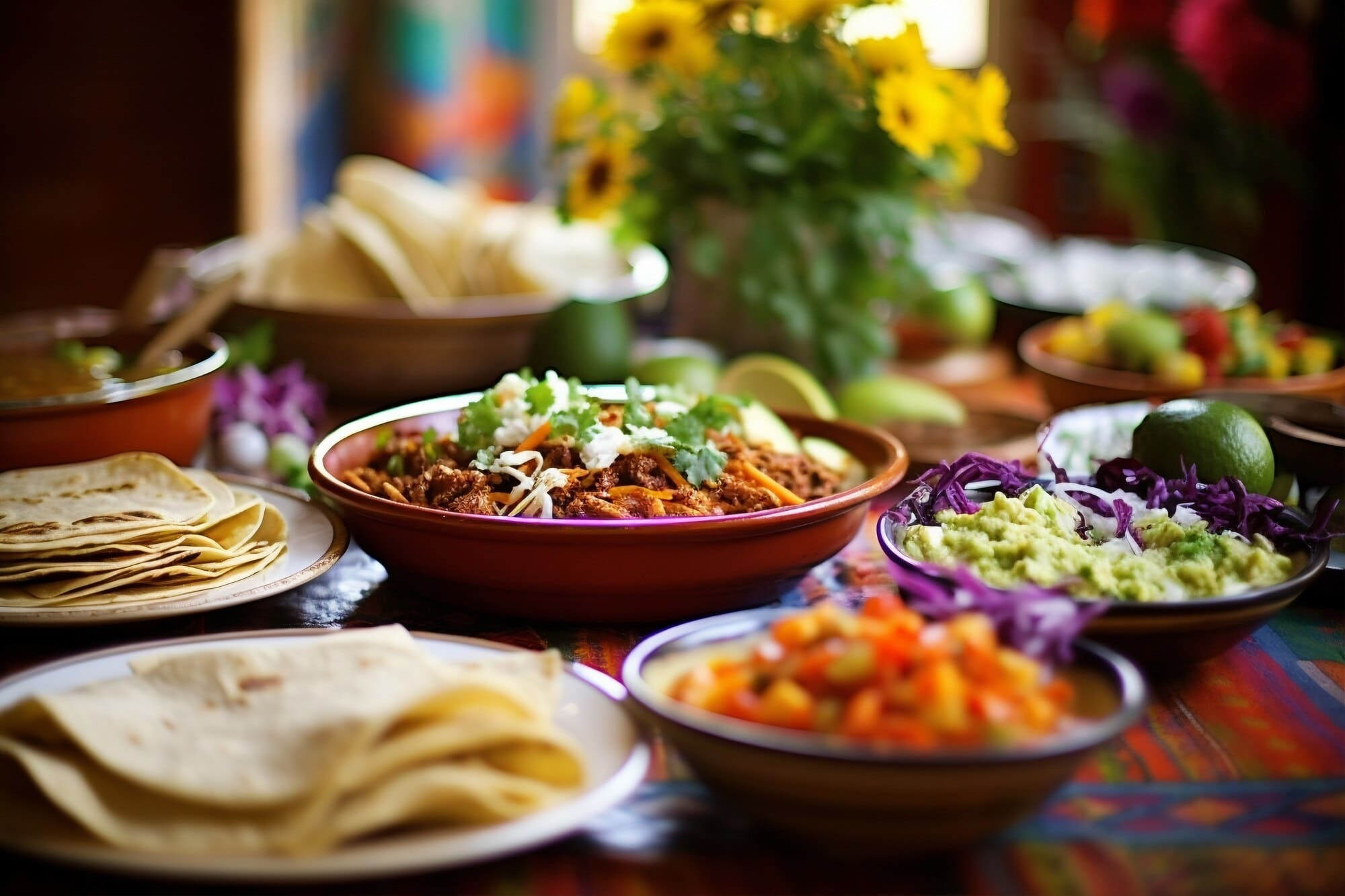
You cannot talk about Mexican national holidays without mentioning the food. In fact, for many, September 15 is above all a culinary feast. Traditional Mexican food takes center stage that night through dishes steeped in history and flavor:
Pozole: This hearty soup made with cacahuazintle hominy corn and pork or chicken is the undisputed king of the table. Served with shredded lettuce, radishes, oregano, chili flakes, and a squeeze of lime juice, it is always accompanied by crispy tostadas and Mexican crema.
Chiles en Nogada: Originating from Puebla, these are a seasonal culinary masterpiece. They consist of a poblano pepper stuffed with a mixture of minced meat and dried fruits, smothered in a sweet walnut sauce (nogada) and garnished with red pomegranate seeds and fresh parsley, perfectly replicating the three colors of the Mexican flag.
Assorted Antojitos: Tamales, pambazos, sopes, tostadas, and crispy fried tacos round out a tricolor buffet where no one goes home hungry.
After the excitement and late-night celebrations, September 16 brings a change of pace. It is the official Mexican Independence Day and a national holiday across the country.
The streets wake up quieter, but the celebration continues in a different way. Families gather around noon to enjoy the famous "recalentado" (reheating the leftovers from the night before, whose flavors tend to taste even richer) and to watch the traditional Military Parade broadcast live from Mexico City, where the armed forces and charro associations march in honor of the nation.
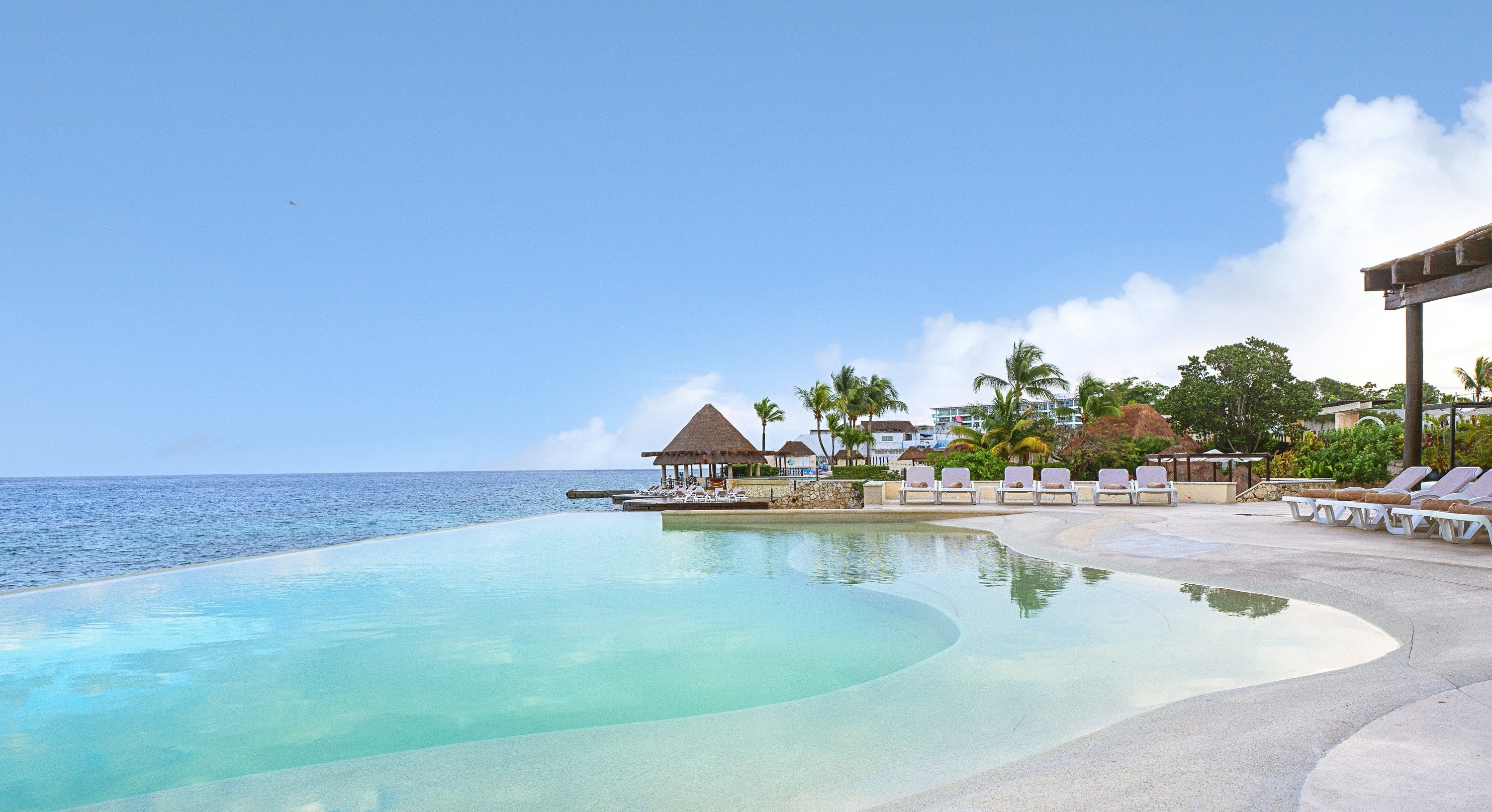
Celebrating Mexican heritage is perfectly compatible with relaxation and the turquoise waters of the Caribbean. In fact, experiencing this holiday by the ocean adds a magical touch to the tradition.
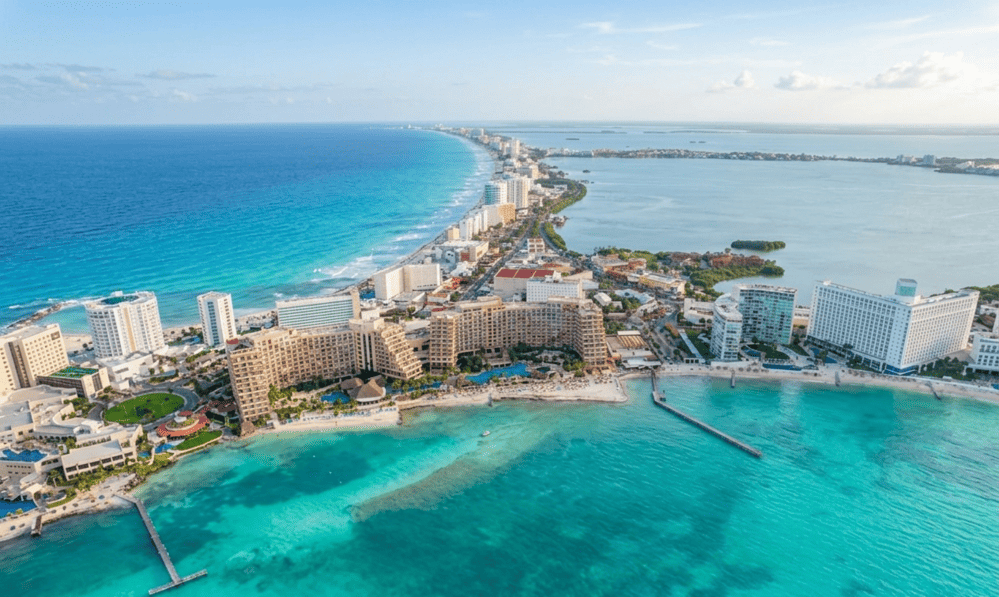
At Grand Park Royal Cancún, the national holidays turn into an unforgettable experience. Imagine raising a tequila toast in front of the beach, indulging in traditional food fairs, enjoying live Mexican folklore shows, and listening to mariachi music while the ocean breeze accompanies the shout of "¡Viva México!". It is the ultimate combination of national pride and luxury vacation comfort.
Although the official public holiday is September 16, the peak moment of the celebration takes place on the night of September 15. That evening features the official Grito de Independencia ceremony, family dinners, and lively street festivals.
Tequila and mezcal are the true stars of the night, served straight or crafted into cocktails like "Palomas" or the classic shot accompanied by sangrita. For alcohol-free options, traditional "aguas frescas" made from hibiscus flower (jamaica), horchata, or tamarind are essential to refresh the palate.
The heart of the celebration: El Grito de Dolores (The Night of September 15)
To understand how national holidays are celebrated in Mexico, one must start with "El Grito de Dolores" (The Cry of Dolores). It all dates back to the early morning of 1810, when Father Miguel Hidalgo rang the bells of the parish of Dolores to call the people to rise up in arms. That pivotal moment marked the beginning of the Mexican Independence movement.
Today, El Grito de Dolores is relived through a very special tradition. At 11:00 PM, from the Zócalo in Mexico City or from government palaces in every municipality, the President or local governors step out onto the balcony, wave the tricolor flag, and shout the traditional battle cries honoring the independence heroes. The night sky immediately lights up with fireworks, accompanied by ringing bells that set the tempo for the festivities.
Fiesta, mariachis, and color: Street and home celebrations
During these days, the urban landscape completely transforms. Building facades are decorated with multicolored lights, flags of all sizes, and patriotic ornaments. It is common to see people strolling around wearing traditional outfits, charro hats, or green, white, and red accessories.
And if there is one thing that brings energy to the festivities, it is the mariachis. Violins, trumpets, and guitars echo through every corner, playing timeless classics that get even the quietest person to sing along.
Popular street fairs (verbenas)
Traditional street fairs, known as verbenas, are organized in public squares and central plazas across every city. These large open-air festivals feature food stalls offering local snacks ("antojitos"), carnival rides, live music, and handcrafted goods. The atmosphere is family-friendly, joyful, and welcoming—a lively gathering of laughter and community where locals and travelers share the same enthusiasm.
The Mexican night at home
Many Mexican citizens choose to celebrate the national holidays at home.
Doors are opened to aunts, uncles, cousins, neighbors, and friends for unforgettable feasts. After dinner, the party continues with music, dancing, and traditional games like Lotería, extending the festivities well into the early hours of the morning.
Mexican Gastronomy: Traditional Mexican food that you cannot miss
You cannot talk about Mexican national holidays without mentioning the food. In fact, for many, September 15 is above all a culinary feast. Traditional Mexican food takes center stage that night through dishes steeped in history and flavor:
Pozole: This hearty soup made with cacahuazintle hominy corn and pork or chicken is the undisputed king of the table. Served with shredded lettuce, radishes, oregano, chili flakes, and a squeeze of lime juice, it is always accompanied by crispy tostadas and Mexican crema.
Chiles en Nogada: Originating from Puebla, these are a seasonal culinary masterpiece. They consist of a poblano pepper stuffed with a mixture of minced meat and dried fruits, smothered in a sweet walnut sauce (nogada) and garnished with red pomegranate seeds and fresh parsley, perfectly replicating the three colors of the Mexican flag.
Assorted Antojitos: Tamales, pambazos, sopes, tostadas, and crispy fried tacos round out a tricolor buffet where no one goes home hungry.
September 16: Independence Day and national holiday
After the excitement and late-night celebrations, September 16 brings a change of pace. It is the official Mexican Independence Day and a national holiday across the country.
The streets wake up quieter, but the celebration continues in a different way. Families gather around noon to enjoy the famous "recalentado" (reheating the leftovers from the night before, whose flavors tend to taste even richer) and to watch the traditional Military Parade broadcast live from Mexico City, where the armed forces and charro associations march in honor of the nation.
Experience unforgettable National Holidays by the sea at Grand Park Royal Cancún
Celebrating Mexican heritage is perfectly compatible with relaxation and the turquoise waters of the Caribbean. In fact, experiencing this holiday by the ocean adds a magical touch to the tradition.
At Grand Park Royal Cancún, the national holidays turn into an unforgettable experience. Imagine raising a tequila toast in front of the beach, indulging in traditional food fairs, enjoying live Mexican folklore shows, and listening to mariachi music while the ocean breeze accompanies the shout of "¡Viva México!". It is the ultimate combination of national pride and luxury vacation comfort.
Frequently Asked Questions about Mexican Independence Day celebrations
What is the main day of the Mexican Independence Day celebration?
Although the official public holiday is September 16, the peak moment of the celebration takes place on the night of September 15. That evening features the official Grito de Independencia ceremony, family dinners, and lively street festivals.
Which drinks are essential for September 15? Celebrating with tequila
Tequila and mezcal are the true stars of the night, served straight or crafted into cocktails like "Palomas" or the classic shot accompanied by sangrita. For alcohol-free options, traditional "aguas frescas" made from hibiscus flower (jamaica), horchata, or tamarind are essential to refresh the palate.