



Explore the Cenote Route in Puerto Morelos
Destinations 21/04/2026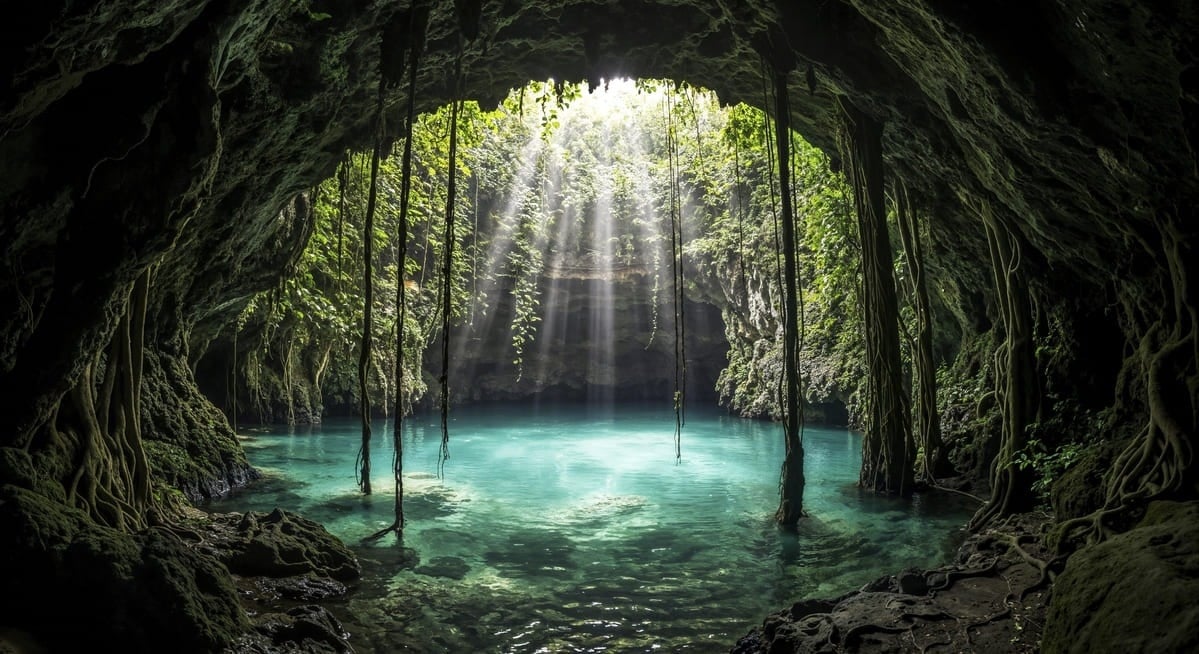
What if I told you that beneath the Quintana Roo jungle lies the longest underground river system in the world? Sounds exciting, right? The Cenote Route is a journey through time where nature and Mayan culture intersect. Get ready to discover the heart of the earth through the cenotes! In this guide, we'll show you how to enjoy these natural beauties of the earth.
The Cenote Route is a 35-kilometer road that connects the coast to the town of Leona Vicario. Located a few kilometers from Puerto Morelos, it's a protected sanctuary. The magic of the route is that you can visit dozens of open cenotes, each one different from the last, but all surrounded by the dense vegetation that characterizes Quintana Roo. The Cenote Route is known as the green lung between Cancun and Playa del Carmen.
To get to the Cenote Route, you need to enter at kilometer 307 of Federal Highway 307. We recommend planning your arrival so you don't miss the best spots. You can get there by:
Rental car: The most popular option for tourists. Going your own way allows you to access the more remote cenotes and easily bring your own snorkeling equipment.
Shared van: From Puerto Morelos, you can take vans to Leona Vicario. These trips are usually quite affordable.
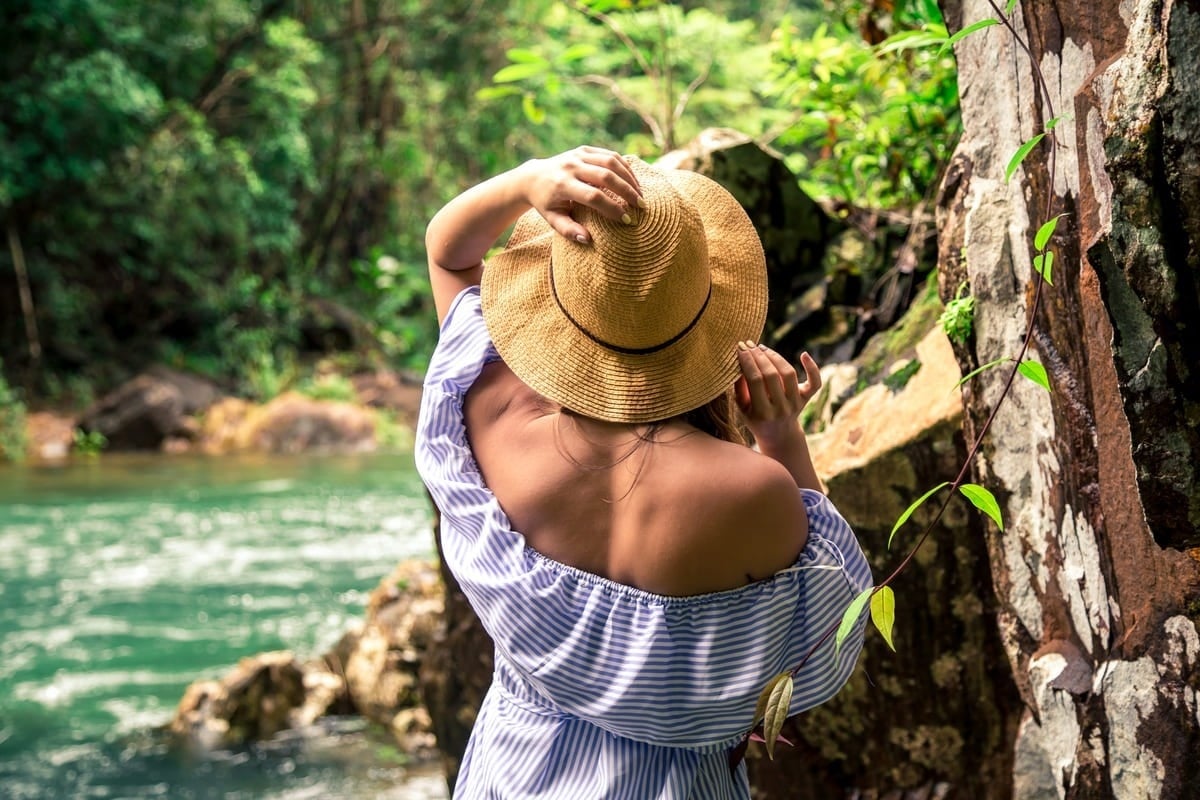
Below are the cenotes that, in our opinion, are the most interesting to visit.
The Cenote Siete Bocas, as its name suggests, has 7 openings that allow sunlight to filter in and reflect off the crystal-clear waters. Swimming from mouth to mouth of the cenote makes it a unique experience. It is a place characterized by silence, helping visitors connect with the tranquility of the jungle. We recommend this cenote because it is usually quiet and has few visitors.
The Cenote Verde Lucero is known as the cenote of jumps. With a 6-meter drop, it allows visitors to enjoy adrenaline-pumping jumps. In addition to jumping platforms, this cenote has zip lines that take you to the center of the cenote, ensuring your jumps are completely safe. Thanks to its clarity, you can see the water lilies and fish swimming beneath your feet.
Descending into Cenote La Noria becomes an almost mystical experience. This cenote, characterized by its semi-open nature, features stalactites and stalagmites decorating its ceiling. If you enjoy a calm swim, this cenote is ideal. Being semi-open, the visual experience is like a blue spotlight on the water. Cenote La Noria is one of the most Instagrammable cenotes.
Cenote Zapote, or the Cenote Campanas del Infierno (Bells of Hell), is the perfect place for divers and explorers. The Bells of Hell are cenote structures made of pure calcium that resemble hanging bells. This cenote is over 50 meters deep, and the sulfur in its waters creates a hypnotic landscape.
If you're not a diver, you can still enjoy Cenote Zapote from its 10-meter-high platforms. The views can be dizzying, but it's totally worth it.
Cenote Boca del Puma is characterized by its rich history. This place was a chiclero camp, and tools from that era remain as a reminder. It is also made up of two cenotes, one open and the other a cave.
At Cenote Boca del Puma, in addition to taking a refreshing dip, you can ride ATVs and zip lines built amidst the wildlife. It's the perfect blend of adventure and tranquility.
Cenote Las Mojarras, with a diameter of 65 meters, is perfect for large groups. It's an open cenote and offers all kinds of amenities for visitors, from hammocks to a diving tower. If you enjoy rustic settings, this cenote is the place for you.
To take care of the cenotes and their ecosystem, as well as your wallet and well-being during the trip, here are some recommendations to keep in mind:
Shower before swimming: It is essential to wash before entering the cenote; chemicals and creams can harm the life within.
Eco-friendly protection: The use of sunscreen is completely prohibited in many locations. Ideally, use swimming shirts with UV protection.
Cash on hand: Internet signal is non-existent in the jungle, so bank terminals often don't work. Bring Mexican pesos for entrance fees and tips.
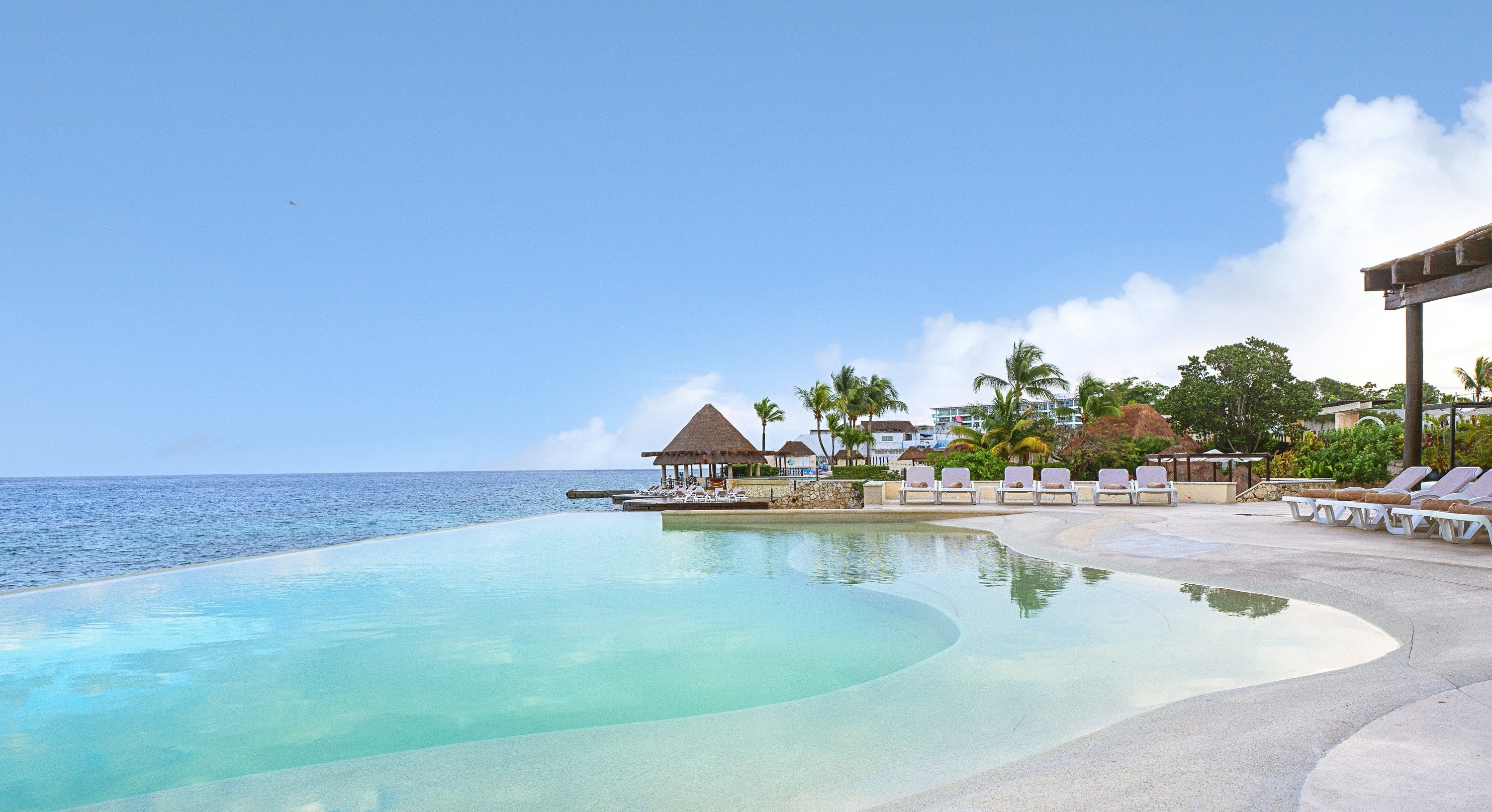
After a day of cenotes, jungle, and fresh water, nothing beats the comfort of a world-class hotel. Park Royal Beach Cancun is the ideal strategic base for explorers of the Cenote Route.
The best part is that total All-Inclusive relaxation awaits you upon your return. You can go from the fresh water of the jungle to the hotel pools, or relax on its private beach. It's the perfect place to rest, recharge, and enjoy the best views of the Caribbean without complications.
What is the Cenote Route? The jungle's best-kept secret
The Cenote Route is a 35-kilometer road that connects the coast to the town of Leona Vicario. Located a few kilometers from Puerto Morelos, it's a protected sanctuary. The magic of the route is that you can visit dozens of open cenotes, each one different from the last, but all surrounded by the dense vegetation that characterizes Quintana Roo. The Cenote Route is known as the green lung between Cancun and Playa del Carmen.
How to get to the Cenote Route?
To get to the Cenote Route, you need to enter at kilometer 307 of Federal Highway 307. We recommend planning your arrival so you don't miss the best spots. You can get there by:
Rental car: The most popular option for tourists. Going your own way allows you to access the more remote cenotes and easily bring your own snorkeling equipment.
Shared van: From Puerto Morelos, you can take vans to Leona Vicario. These trips are usually quite affordable.
Below are the cenotes that, in our opinion, are the most interesting to visit.
Cenote Siete Bocas: The Labyrinth Under the Jungle
The Cenote Siete Bocas, as its name suggests, has 7 openings that allow sunlight to filter in and reflect off the crystal-clear waters. Swimming from mouth to mouth of the cenote makes it a unique experience. It is a place characterized by silence, helping visitors connect with the tranquility of the jungle. We recommend this cenote because it is usually quiet and has few visitors.
Cenote Verde Lucero: The Open-Air Paradise with Zip Lines
The Cenote Verde Lucero is known as the cenote of jumps. With a 6-meter drop, it allows visitors to enjoy adrenaline-pumping jumps. In addition to jumping platforms, this cenote has zip lines that take you to the center of the cenote, ensuring your jumps are completely safe. Thanks to its clarity, you can see the water lilies and fish swimming beneath your feet.
Cenote La Noria: Mysticism Among Stalactites
Descending into Cenote La Noria becomes an almost mystical experience. This cenote, characterized by its semi-open nature, features stalactites and stalagmites decorating its ceiling. If you enjoy a calm swim, this cenote is ideal. Being semi-open, the visual experience is like a blue spotlight on the water. Cenote La Noria is one of the most Instagrammable cenotes.
Cenote Zapote: Home of the "Bells of Hell"
Cenote Zapote, or the Cenote Campanas del Infierno (Bells of Hell), is the perfect place for divers and explorers. The Bells of Hell are cenote structures made of pure calcium that resemble hanging bells. This cenote is over 50 meters deep, and the sulfur in its waters creates a hypnotic landscape.
If you're not a diver, you can still enjoy Cenote Zapote from its 10-meter-high platforms. The views can be dizzying, but it's totally worth it.
Cenote Boca del Puma: History and Adrenaline in the Jungle
Cenote Boca del Puma is characterized by its rich history. This place was a chiclero camp, and tools from that era remain as a reminder. It is also made up of two cenotes, one open and the other a cave.
At Cenote Boca del Puma, in addition to taking a refreshing dip, you can ride ATVs and zip lines built amidst the wildlife. It's the perfect blend of adventure and tranquility.
Cenote Las Mojarras: The largest on the route
Cenote Las Mojarras, with a diameter of 65 meters, is perfect for large groups. It's an open cenote and offers all kinds of amenities for visitors, from hammocks to a diving tower. If you enjoy rustic settings, this cenote is the place for you.
Tips for visiting the cenotes: Sunscreen, repellent and cash
To take care of the cenotes and their ecosystem, as well as your wallet and well-being during the trip, here are some recommendations to keep in mind:
Shower before swimming: It is essential to wash before entering the cenote; chemicals and creams can harm the life within.
Eco-friendly protection: The use of sunscreen is completely prohibited in many locations. Ideally, use swimming shirts with UV protection.
Cash on hand: Internet signal is non-existent in the jungle, so bank terminals often don't work. Bring Mexican pesos for entrance fees and tips.
Your Caribbean refuge: Live the adventure from Park Royal Beach Cancun
After a day of cenotes, jungle, and fresh water, nothing beats the comfort of a world-class hotel. Park Royal Beach Cancun is the ideal strategic base for explorers of the Cenote Route.
The best part is that total All-Inclusive relaxation awaits you upon your return. You can go from the fresh water of the jungle to the hotel pools, or relax on its private beach. It's the perfect place to rest, recharge, and enjoy the best views of the Caribbean without complications.